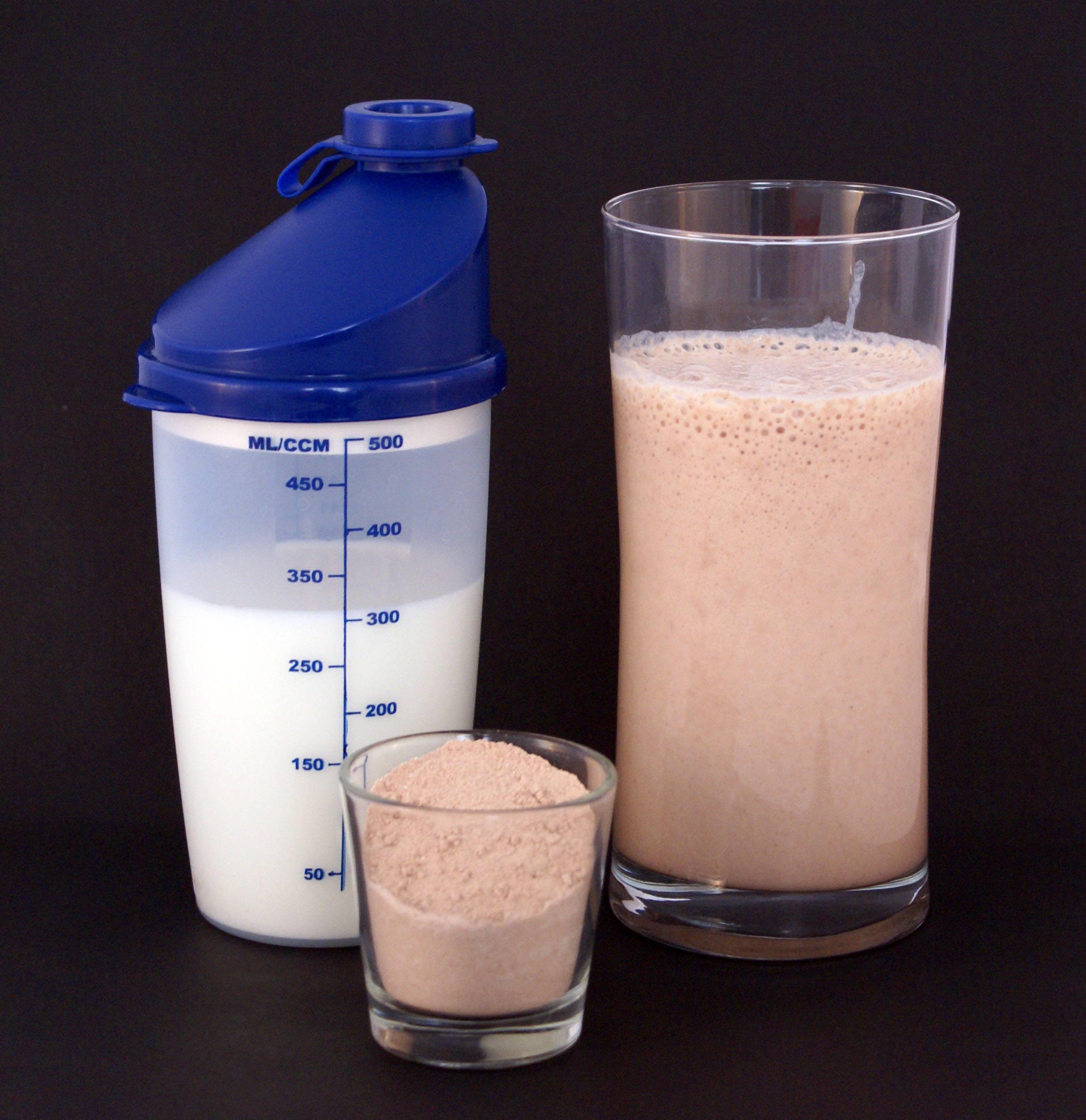
Post-workout nutrition has attracted more oversimplification than almost any other topic in fitness. The "anabolic window" — the idea that nutrients must be consumed within 30–60 minutes of training or muscle gains are lost — became one of the most widely repeated fitness claims of the 1990s and 2000s. The actual evidence presents a more nuanced picture, one where total daily intake matters more than exact timing for most people, with some important exceptions.
What happens in the body after training
Resistance exercise creates a temporary imbalance in muscle protein turnover: muscle protein breakdown increases alongside muscle protein synthesis (MPS). For muscle to grow or maintain mass, synthesis must exceed breakdown over time. The post-exercise window is one part of that equation — but the meal consumed before training, the total daily protein intake, and sleep quality all play comparable or larger roles depending on the individual and their training status.
Glycogen is depleted during training in proportion to intensity and volume. A single strength session of typical volume (8–15 working sets) uses a fraction of total muscle glycogen stores — rarely more than 25–35% in most training scenarios. High-volume bodybuilding sessions, CrossFit-style workouts, and endurance training deplete considerably more.
Post-training nutrition has two primary goals: stimulating muscle protein synthesis and replenishing glycogen. These two goals are achieved through different nutrients — protein for the former, carbohydrates for the latter — and their relative urgency depends on training type and schedule.
The protein window: a more accurate picture
A 2013 meta-analysis by Aragon and Schoenfeld examined the evidence behind post-workout protein timing and concluded that total daily protein intake was the strongest predictor of muscle gain, with timing playing a secondary role in most study contexts. However, the same analysis noted that for individuals training in a fasted state or with a long gap since the previous meal, post-workout protein becomes more time-sensitive.
For most people who have eaten a protein-containing meal 2–3 hours before training, the elevated muscle protein synthesis rates post-exercise persist for 3–5 hours — meaning there is no reason to panic about consuming protein immediately post-workout. A meal within 2 hours of finishing training is adequate in most cases.
For those training first thing in the morning without pre-workout nutrition, the post-workout meal becomes more time-sensitive, and consuming 20–40g of protein within 1 hour of training is a reasonable approach.
Total daily protein intake of 1.6–2.2g per kilogram of body weight is consistently supported by the literature as the target range for those seeking to maximise muscle protein synthesis — irrespective of precise meal timing.
How much protein per meal
Muscle protein synthesis has a per-meal ceiling — consuming very large protein doses in a single sitting does not proportionally increase MPS beyond approximately 40g in most scenarios. A 2016 study by Witard et al. suggested that 0.4g/kg body weight per meal, 4 times daily, represents a practical approach to maximising MPS throughout the day.
For an 80kg person, this means roughly 32g of protein per meal across 4 meals — a target that whole food sources can easily meet without requiring protein shakes in most dietary contexts.
Whole food protein sources that work post-training
- Greek yogurt (170g) — approximately 17g protein, with carbohydrates from the yogurt matrix
- Eggs (3 large) — approximately 18g protein, with fat from the yolk supporting satiety
- Chicken breast (150g, cooked) — approximately 45g protein
- Cottage cheese (200g) — approximately 22g protein, slower-digesting casein
- Canned tuna (185g) — approximately 40g protein, low fat, convenient
- Lentils (200g cooked) + rice — approximately 18g combined protein with significant carbohydrate
Carbohydrates for glycogen replenishment
The rate of glycogen resynthesis after exercise is fastest in the first 30–60 minutes post-training. For those training twice daily or with less than 8 hours between sessions, rapid glycogen resynthesis is genuinely important and warrants consuming carbohydrates soon after the first session.
For once-daily training with adequate recovery time before the next session, the urgency is lower. Glycogen stores replenish fully within 24 hours with adequate carbohydrate intake, regardless of whether that carbohydrate is consumed immediately post-workout or several hours later.
Practically, combining protein and carbohydrate in the post-workout meal is a simple, effective approach — not because the combination is superior to protein alone for MPS in all cases, but because it addresses both recovery goals simultaneously and suits natural meal patterns.
Fast-digesting vs. slow-digesting carbohydrates post-training
White rice, white bread, potatoes, and fruit are digested quickly, making them effective for rapid glycogen replenishment. Whole grains and legumes are slower but appropriate for the majority of recovery contexts where rapid replenishment is not urgent. The practical difference is most relevant for twice-daily training sessions or competition-day recovery between events.
Anti-inflammatory food choices in recovery
Exercise induces a controlled inflammatory response. This acute inflammation is part of the adaptation signal — blunting it entirely with high-dose antioxidant supplements may actually reduce some training adaptations, according to research from Ristow et al. (2009). This is a counterintuitive finding with important implications: megadosing vitamin C or E after every workout is not recommended based on current evidence.
However, a dietary pattern generally rich in polyphenols, omega-3 fatty acids, and antioxidant-dense vegetables supports recovery without the concern of suppressing adaptation signals. Specific foods with relevant evidence:
- Tart cherry juice — reduces exercise-induced muscle soreness in multiple RCTs
- Blueberries — associated with reduced oxidative stress post-exercise
- Fatty fish (salmon, mackerel, sardines) — omega-3 content supports muscle protein synthesis and reduces inflammatory markers
- Turmeric (curcumin) — modest evidence for reduced muscle damage markers, though bioavailability without piperine is limited
Sleep: the underestimated recovery factor
Nutrition is one input into recovery; sleep is arguably a larger one. Growth hormone secretion peaks during slow-wave sleep. Muscle protein synthesis continues during sleep — which is why a casein protein source before bed (cottage cheese, Greek yogurt) is a commonly recommended strategy for maximising overnight recovery.
A 40g serving of casein protein before sleep has been shown in several studies to increase overnight MPS without disrupting sleep quality. The slower digestion rate of casein compared to whey means amino acid availability is sustained across the sleep period rather than spiking and declining quickly.
Sleep deprivation — consistently under 7 hours per night — elevates cortisol, reduces testosterone, impairs insulin sensitivity, and measurably reduces the muscle-building response to training. In terms of recovery, optimising sleep duration and quality should take precedence over fine-tuning supplement choices.
Alcohol and recovery
Alcohol inhibits muscle protein synthesis via direct and indirect mechanisms. A 2014 study by Parr et al. found that even when protein was consumed post-exercise, the addition of alcohol reduced MPS rates by approximately 37% compared to a protein-plus-carbohydrate condition. This effect occurs at doses commonly reached during social drinking.
For those whose training goals include muscle gain or strength improvement, alcohol in the post-workout period is one of the more reliably documented ways to reduce the return on a training session. This does not mean occasional alcohol consumption prevents adaptation over time — but regular post-training drinking does measurably reduce recovery quality.